
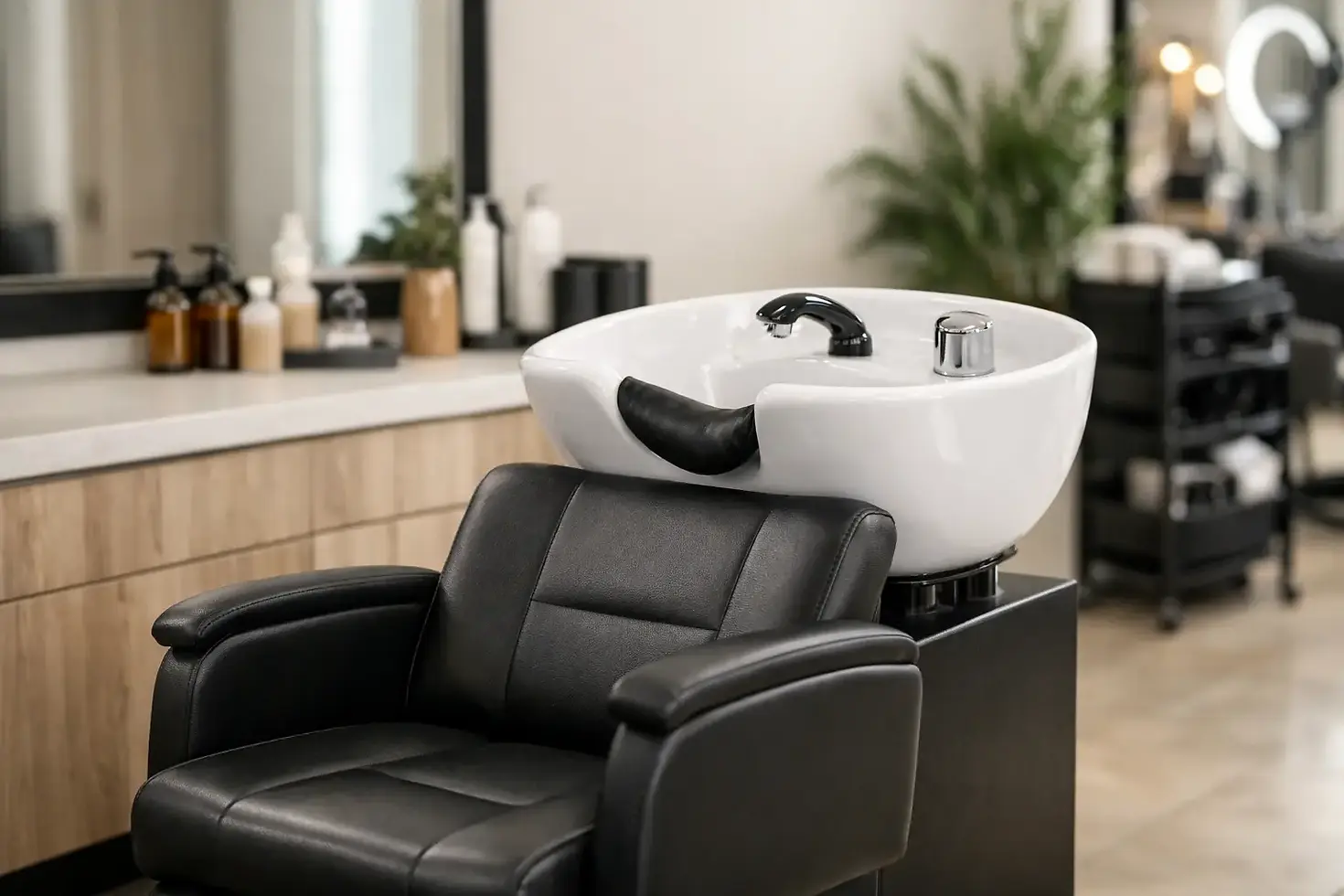
Best Sink Unit for Rented Salon Room

When you rent a salon room, the sink can become the one detail that holds everything up. You may have the chair, the couch, the lighting and the booking diary ready to go, but if there is nowhere practical to wash hands, fill bowls or maintain hygiene standards, the room is not fully workable. That is why choosing the right sink unit for rented salon room use matters early, not as an afterthought.
In most rented spaces, the challenge is not finding any sink. It is finding one that works without triggering landlord approval issues, expensive plumbing work or a long fit-out delay. For beauty therapists, aestheticians, lash technicians, tattoo artists and other treatment-based professionals, the best option is often the one that gives you a clean, professional wash station without changing the room itself.
Why a rented salon room changes the buying decision
If you owned the premises, you might be more willing to break into walls, reroute pipework and commit to a fixed installation. In a rented room, that logic usually falls apart quite quickly. Lease restrictions, permission requirements and reinstatement clauses can all make permanent plumbing more trouble than it is worth.
That is where many business owners lose money. They take on a room because the rent is manageable, then discover that adding a basic sink means extra trades, extra downtime and extra cost. What looked affordable suddenly needs a plumber, a waste connection, potential building approval and several weeks of coordination.
A sink unit for rented salon room setups needs to do more than provide water. It needs to protect flexibility. If your lease changes, if you move to a larger room, or if you decide to work from another site later, you do not want your investment stuck in a wall.
What to look for in a sink unit for rented salon room use
The first priority is simple practicality. In a rented treatment room, compact dimensions matter. You need a unit that fits your layout without making the room feel cramped or obstructing the client journey from door to treatment area.
The second priority is independence from mains plumbing. This is often the biggest cost saver. A no-plumbing unit that provides hot and cold water can remove the need for invasive building work altogether. That means faster setup, less disruption and far fewer conversations with landlords or site managers.
Appearance matters too. Clients notice your environment within seconds. If the sink looks temporary or improvised, it affects the overall feel of the space. A well-finished unit with modern styling helps the room look established and professional, even if you are only renting it.
You should also think about daily workflow. How often will you need access to water? Are you washing hands between every client, rinsing tools, or supporting treatments that require frequent filling and emptying? The right unit should match the pace of your services rather than just fit the room on paper.
The real cost of traditional plumbing
Many salon room tenants assume a fixed sink will be the more professional route. Sometimes it is, but not always. Traditional plumbing can make sense in a long-term premises with landlord approval and enough budget. In a rented room with uncertain timelines, it can be an expensive commitment.
The obvious cost is the plumber. The less obvious costs come afterwards. There may be joinery work, surface repairs, lost treatment days and delays while different trades line up. If the room is in a shared commercial building, access rules and property management approval can slow the process further.
Then there is the exit problem. If your tenancy ends, you may need to return the room to its original condition. That means more cost, not less. What started as a practical upgrade can become a sunk expense that stays behind when you move.
This is why no-plumbing sink units are increasingly attractive in rented environments. They keep setup simple and costs more predictable. For many operators, that is not a compromise. It is the smarter commercial choice.
Why no-plumbing units suit salon tenants so well
A no-plumbing sink unit is built for the exact problem rented rooms create. You need handwashing access, hot and cold water, a tidy presentation and minimal installation. If the unit only requires a power supply, the room becomes usable far more quickly.
That speed matters when you are trying to open, relocate or add services without losing revenue. Waiting weeks for trades is frustrating enough. Paying for those delays while your room sits half-finished is worse.
There is also a flexibility advantage that fixed plumbing cannot match. A portable or self-contained sink unit can move with your business. If you change rooms, expand to another site or reconfigure your treatment space, the sink moves too. That keeps your investment working for you rather than being tied to one landlord’s property.
For many independent professionals, this is the balance that makes sense: a unit that looks polished enough for client-facing use, but flexible enough to suit a rented setup.
Style still matters in a practical setup
Function gets the room running, but design affects how the room feels. Clients may not ask what type of sink unit you have, but they will notice whether your space looks clean, modern and put together.
That is why it is worth avoiding anything that feels improvised. A bucket-under-a-table solution may technically provide water access, but it does not support a premium service environment. If you offer facials, aesthetics, nails, brows or tattoo work, your sink area should reflect the same standard as the rest of the room.
Modern self-contained units now come in finishes and designs that sit comfortably alongside professional salon furniture. This matters more than many buyers expect. A well-designed basin unit helps the whole room look credible, especially if you are building trust with first-time clients.
Standard or custom - which is right?
This depends on your room and how tight the layout is. A standard ready-to-use unit is usually the quickest route if you need a straightforward setup with no fuss. It keeps decisions simple and gets you operational faster.
A custom unit makes more sense when the room has awkward dimensions, limited floor space or a very specific interior scheme. If your sink needs to fit between existing furniture, align with cabinetry or meet a certain width, bespoke sizing can save a lot of frustration.
Neither option is automatically better. If speed is your priority, standard often wins. If space is unusual or presentation is critical, custom can be the more cost-effective choice in the long run because it avoids a compromised fit.
Who benefits most from this type of sink unit?
The obvious users are beauty and aesthetics professionals renting treatment rooms inside larger salons, clinics or shared workspaces. They need reliable handwashing without negotiating building alterations.
Tattoo artists, semi-permanent make-up practitioners and skincare specialists also benefit because hygiene is not optional in these services. Being able to add a proper wash station without major installation work can make a room commercially viable.
It also suits operators in converted spaces, garden rooms and temporary setups where mains plumbing is limited or non-existent. In all of these cases, the value is the same: quick setup, lower costs and a room that works properly from day one.
Questions worth asking before you buy
Before choosing a unit, be realistic about your space and your tenancy. Measure carefully, including door widths and working clearances, not just the empty floor area. Think about where the unit will sit in relation to treatment furniture and client movement.
Check what your landlord actually permits. Even if you are leaning towards a no-plumbing option, it helps to confirm any rules around electrical use, room alterations and waste handling. A self-contained unit usually avoids the biggest complications, but clarity upfront saves hassle later.
You should also consider whether your current room is your long-term base. If there is a fair chance you will move within a year or two, portability becomes a major advantage. In that situation, buying a fixed sink can be harder to justify.
Infinity Basins is built around that reality - practical, professional sink solutions that help businesses get set up quickly without the cost and disruption of traditional plumbing.
The best sink unit for a rented salon room is rarely the most complex option. It is the one that gets you working sooner, keeps your space looking professional and does not burden your business with unnecessary installation costs. If your room has power but no easy plumbing access, that answer is often much simpler than it first appears.
A rented room should help your business stay agile, not pin you down. Choose a sink setup that keeps that flexibility intact.


Comments