
Portable Sanitation Solutions: A UK Guide for Site and Event Managers

Last Updated: November 10, 2026
Quick Summary
Portable sanitation means self-contained toilets, showers or handwash stations that need no fixed drainage or water connection, letting site managers, event organisers and small businesses meet hygiene obligations without mains plumbing. The main options are hire or purchase, with hire usually suiting temporary sites and events. Check duration, capacity, servicing frequency and delivery terms in writing before booking.
Portable toilets, showers and handwash stations each suit a different job.
Confirm servicing frequency and the cost of extra visits before booking a hire.
Match cabin numbers to peak usage rather than average usage.
Ask suppliers for waste transfer notes and safety data sheets for sustainability reporting.
Request a written quote to get an accurate price for your specific setup.
Need hot water without plumbing?
Infinity Basins supplies self-contained hand wash sinks with hot and cold running water, with no installation needed.
Table of Contents
Types of Portable Units: Toilets, Showers and Handwash Stations
Portable Toilets for Construction Sites: Compliance and Welfare Requirements
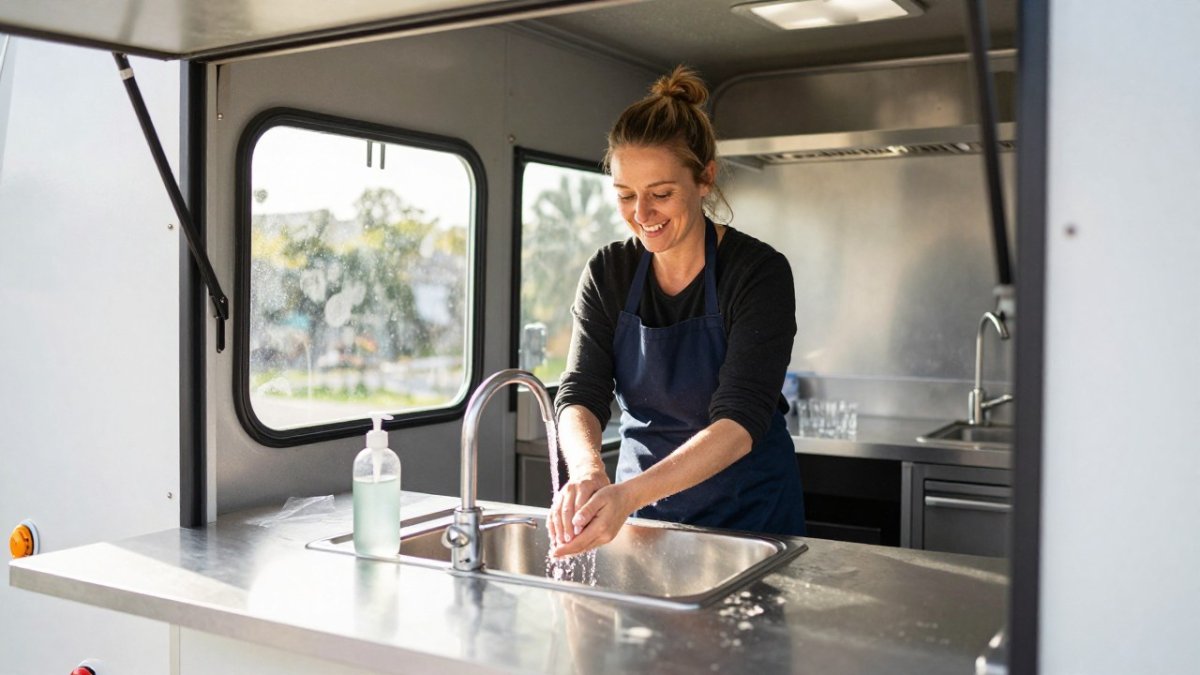
Portable Hand Wash Sinks: Hot Water and Plumbing-Free Hygiene
Eco-Friendly Portable Toilets: Waste, Chemicals and Sustainability Reporting
Servicing, Troubleshooting and Maintenance of Portable Sanitation
Portable sanitation solutions give site managers, event organisers and small businesses a way to meet hygiene obligations without waiting for mains plumbing. For a tattoo studio, a pop-up stall or a construction site, a self-contained unit can be the difference between opening on time and not opening at all.
A portable sanitation solution is any self-contained unit that provides toilets, showers, or handwashing facilities without a fixed drainage or water connection.
The need is wider than building sites. Event organisers, mobile service providers, homeowners with garden rooms or workshops, and retailers running market stalls all face the same problem: people need to wash their hands, and there is no plumbing to do it with. Infinity Basins supplies self-contained hand wash sinks for exactly these settings.
Types of Portable Units: Toilets, Showers and Handwash Stations
Portable sanitation falls into three broad categories, each suited to a different job.
Portable toilets: Freestanding cabins with a waste holding tank, usually serviced by a vacuum tanker on a fixed schedule.
Portable showers: Multi-cubicle units for sites, festivals and temporary accommodation, normally requiring a water supply and drainage.
Handwash stations: Compact sinks, often with a built-in water tank, for hygiene where toilet facilities already exist or are not needed.
For a beauty or tattoo business, the handwash station is usually the relevant choice. Hygiene rules require a dedicated handwash point close to the treatment area, and a plumbing-free unit meets that need without a fixed installation. Infinity Basins units are available in standard and bespoke configurations.
Portable Toilet Hire: Duration, Capacity and Delivery
Hire is the most common route for toilets on temporary sites, and the difference between a well-planned hire and an expensive one usually comes down to four variables: duration, capacity, servicing frequency and delivery logistics. Before booking, confirm each of these in writing with the supplier.
Duration. Hire periods are usually quoted per week, with a minimum term that varies by supplier.
Capacity. Capacity is expressed as the number of users a unit can reasonably serve between services, not the number of people who can physically enter it.
Servicing frequency. Servicing is the single biggest driver of hygiene outcomes and of total cost. A unit that is emptied weekly on a low-use site may need emptying daily on a busy event.
Delivery and collection. Delivery windows, access requirements and the surface the unit will stand on all affect the price.
Pricing depends on quantity, hire dates, location and delivery requirements, so we do not publish fixed figures here. Request a quote for your specific setup.
Short-Term vs Long-Term Hire: A Cost-Benefit Comparison
Short-term hire suits a single event or a project with a defined end date. Long-term hire suits a building project running for months or a permanent pop-up. The break-even point depends on how often the unit is serviced and whether you would otherwise need to buy outright.
Consider the following when comparing:
Short-term hire: Lower commitment and no storage needed. Costs add up quickly if you repeatedly rebook, because each booking carries its own delivery and collection charge.
Long-term hire: Predictable servicing and fewer deliveries. Check the notice period for returning the unit early, because ending a long-term hire before the term expires can attract a charge.
Ownership: Worth considering only if you need the same unit repeatedly over several years. Ownership moves servicing, storage and compliance record-keeping onto you, so factor in the cost of a servicing contract and somewhere to store the unit between uses.
A common approach is to model three scenarios: the expected total hire days, the number of service visits, and the cost of any mid-hire moves. Pricing for each scenario should come from a written quote, not an estimate. Ask the supplier to break the quote down into hire, delivery, collection and servicing so you can compare like for like across suppliers, a low headline weekly rate with servicing charged separately can work out more expensive than a higher inclusive rate.
Watch out: a quote that excludes the first service or collection can look cheaper than an inclusive quote but cost more once the hire ends. Confirm what is included before comparing totals.
The four variables that most affect a hire, as set out in this section, are summarised below so you can check each one before booking.
Variable | What to confirm | Why it matters |
Duration | Weekly or monthly rate, minimum term | Short bookings carry a premium |
Capacity | Users per cabin between services | Match cabins to peak usage |
Servicing frequency | Interval and cost of extra visits | Drives both hygiene and total cost |
Delivery and collection | Placement, access and collection timing | Difficult sites cost more to place |
Portable Toilets for Construction Sites: Compliance and Welfare Requirements
Construction sites carry specific welfare obligations. Construction sites carry welfare obligations, and the exact requirements depend on the scale and nature of the work (Welfare: Overview). Check current UK guidance from the Health and Safety Executive (HSE) before finalising your provision.
Portable units are widely used on sites because they move with the works. They can be placed near work areas and relocated as the project progresses, which reduces walking distances and keeps facilities close to the people using them.
Regulatory Compliance Checklist for UK Site Managers
Use this checklist when planning welfare provision:
Confirm the number of workers on site at peak, and provide facilities accordingly
Check current official guidance on welfare facilities for your project type
Ensure handwashing is available near toilets, with hot and cold water where required
Verify the supplier's servicing schedule matches your site's usage
Keep records of servicing and waste disposal for inspection
Review placement so facilities remain accessible during changing site layouts
Portable Hand Wash Sinks: Hot Water and Plumbing-Free Hygiene
Handwashing is often the gap that stops a temporary setup from being fully compliant. A portable hand wash sink with hot and cold running water solves this without any plumbing work.

Infinity Basins sinks are self-contained and plug-and-play, so they need only a power supply. To judge whether one fits your setup, see Mobile Hand Wash Unit: Is It Right for You? There is no mains water connection and no installation, which keeps setup fast in rented studios, summer houses and pop-up retail spaces.
Infinity Basins units provide instant hot and cold running water. For the specific temperature and tank capacity of a given model, check the product details on the Infinity Basins website before you buy.
Our units are delivered within 10 working days. For current prices and availability, visit the Infinity Basins website or request a quote.
Eco-Friendly Portable Toilets: Waste, Chemicals and Sustainability Reporting
Waste transport and treatment. Ask any portable sanitation supplier which treatment route its waste takes and whether it can provide a waste transfer note for each collection.
Chemical profile. Ask the supplier to name any chemical product used and to provide a safety data sheet.
Servicing frequency and waste volume. Servicing frequency affects total waste volume as well as cost. A unit serviced more often produces more, smaller waste collections; a unit serviced less often produces fewer, larger collections.
Sustainability reporting. If sustainability reporting matters to your organisation, ask your supplier for documentation covering how waste is transported and treated, which chemicals are used, and how servicing frequency affects total waste volume.
Servicing, Troubleshooting and Maintenance of Portable Sanitation
Regular servicing keeps any portable unit hygienic and working reliably. For hand wash stations with an onboard water tank, the tank needs refilling and cleaning on a schedule matched to how often the sink is used. Between services, check that the water supply is flowing, the heater is working, and the waste container is not overflowing.
A few common issues and fixes:
Water not heating: Check the power supply and confirm the unit is switched on. If the problem persists, contact the supplier.
Low water flow: Check the tank level and any filters. A partly empty tank is the most frequent cause.
Unpleasant odour: Empty and clean the waste container and check the servicing schedule.
Many customers worry about mid-week failures when clients are booked in. Ask your supplier about replacement timescales and support before you commit, and keep the supplier's contact details to hand.
For a standard hand wash unit, a practical habit is to keep a short written log of refills, cleaning and any faults. A log makes it far easier to spot a pattern and to show an inspector that facilities were maintained.
Booking Your Portable Hand Wash Setup With Infinity Basins
If you need a compliant, plumbing-free handwashing station, Infinity Basins can supply a self-contained unit with hot and cold running water. You can move it between rented spaces, use it at home or set it up for a pop-up, with no installation required. If you are unsure which configuration fits your space, we can help you choose.
To get started, visit infinitybasins.com and use Customise Your Order to specify your unit. Pricing depends on quantity, dates and delivery, so request a quote for an accurate figure. Units are delivered within 10 working days.
Frequently Asked Questions
What are portable sanitation solutions?
Portable sanitation solutions are self-contained units that provide toilets, showers or handwashing facilities where mains drainage or water is unavailable or impractical. They include portable toilet cabins, welfare units on construction sites, event toilet blocks and plumbing-free hand wash sinks. Most are serviced by a licensed waste contractor who removes effluent and restocks consumables. For a UK site or event, the right choice depends on headcount, duration, access for the waste tanker and the welfare standards your project must meet.
Can portable handwashing sinks work without plumbing?
Yes. Self-contained portable basins hold their own fresh and waste water supply, so they do not need a mains water or drainage connection. Infinity Basins units provide instant hot and cold running water and need only a power supply to operate.
How often should portable toilets be cleaned and serviced?
Servicing frequency depends on how heavily the unit is used, the ambient temperature and the type of event or site. High-footfall events and busy construction sites usually need more frequent servicing than a quiet site with a few workers. Your hire provider should agree a schedule that includes emptying, cleaning, sanitising and restocking. Keep a record of each service visit, as it supports your site welfare records and any inspection you may face.
What should you consider when hiring or buying portable sanitation equipment?
Consider the number of users, the hire duration, delivery and collection logistics, and whether the unit needs a power or water supply. Ask about waste disposal certification, servicing frequency and what happens if a unit fails mid-hire. For a UK site, check the welfare requirements that apply to your project. Prices vary with quantity, dates and delivery distance, so request a written quote from the supplier rather than relying on published figures.
What handwashing facilities should be provided alongside portable toilets?
Handwashing facilities should sit close to the toilets so users can wash after use. On a construction site or at an event, this usually means a dedicated handwash station with running water, soap and a drying method. Where there is no mains water, a self-contained portable hand wash sink can fill the gap. Make sure the handwash provision is accessible, adequately stocked and serviced alongside the toilets.
How do you choose portable sanitation for a worksite or event?
Start with the number of people using the facility, how long it will be needed and what access the site offers for delivery and servicing. Then decide whether you need toilets only, or toilets with handwashing and showers. Check that the chosen solution meets the welfare standards your project or venue requires.


Comments